
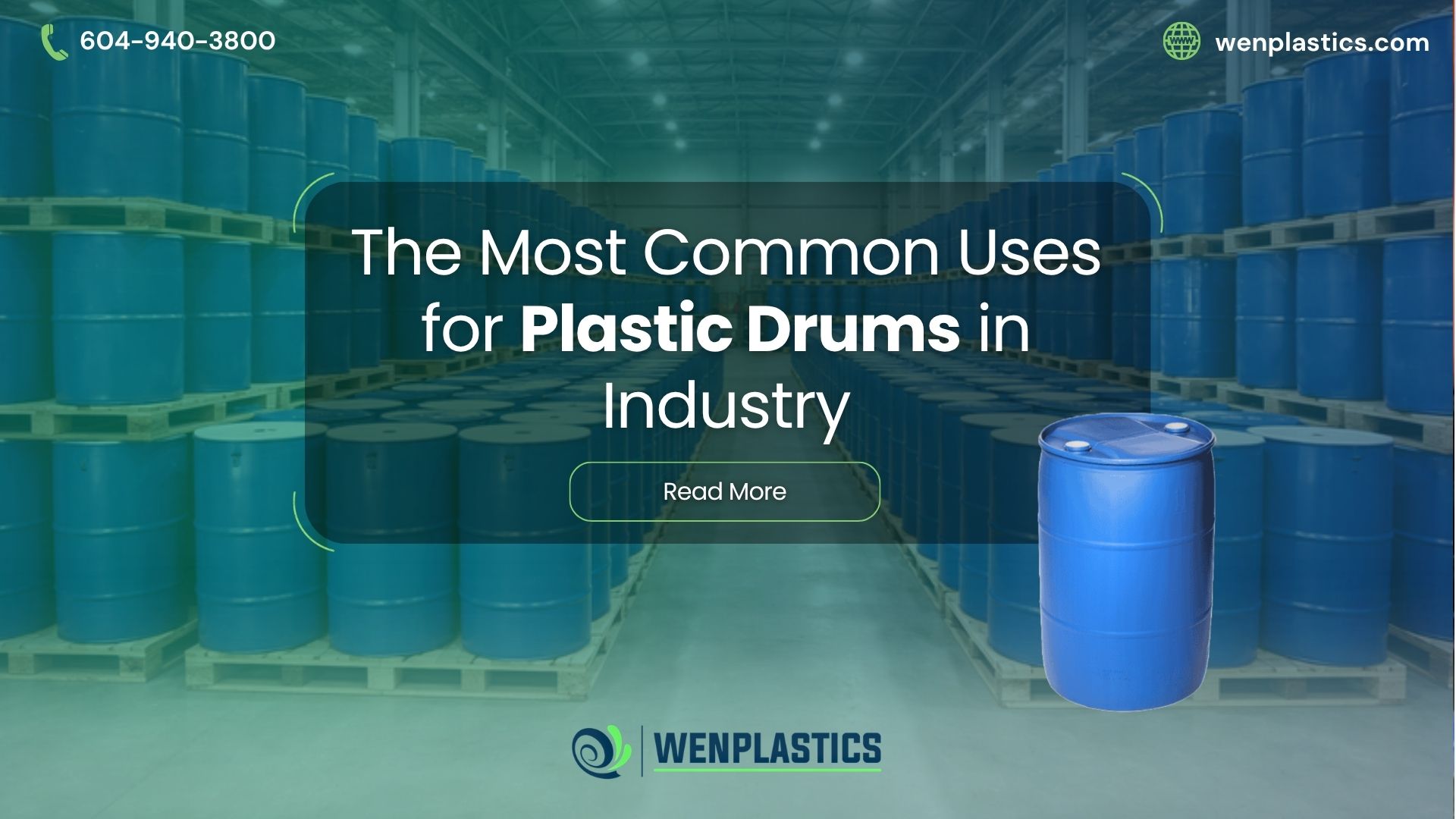
Plastic drums are one of the most widely used containers in industrial operations. Known for their durability, chemical resistance, and cost-effectiveness, they are essential for storing and transporting liquids and semi-liquids across many sectors.
From manufacturing plants to agricultural operations, plastic drums support safe handling, efficient logistics, and regulatory compliance.
This article explores the most common uses for plastic drums in industry and why they remain a preferred solution for businesses.
1. Chemical Storage and Transport
One of the primary uses of plastic drums, also known as plastic barrels or poly drums, is in the chemical industry.
Plastic drums made from high-density polyethylene (HDPE) are highly resistant to corrosive substances such as acids, alkalis, and solvents. This makes them ideal for safely storing and transporting hazardous and non-hazardous chemicals.
Many drums are also UN-rated, meaning they are tested and certified to meet strict transportation regulations for dangerous goods.
Common examples:
- Industrial cleaning agents
- Lubricants and oils
- Acids and corrosive chemicals
2. Agriculture and Farming
In agriculture, plastic drums play a key role in storage and resource management.
They are commonly used to store water, fertilizers, and agricultural chemicals, as well as for irrigation and rainwater collection systems.
Common applications:
- Irrigation water storage
- Fertilizers and pesticides
- Livestock-related liquid storage
Their durability allows them to withstand outdoor conditions, including UV exposure and temperature changes.
3. Waste Management and Recycling
Plastic drums are essential in waste collection and recycling operations.
They are used to safely contain industrial waste, including hazardous materials, helping businesses comply with environmental regulations.
Examples:
- Collection of liquid waste
- Storage of used oils
- Transport of recyclable materials
4. Pharmaceutical and Industrial Applications
Plastic drums are used in environments that require controlled handling of materials.
They help ensure safe storage and transportation of industrial liquids, raw materials, and chemical compounds used in production processes.
Typical uses:
- Industrial raw materials
- Cleaning and sanitizing solutions
- Bulk liquid compounds
5. Manufacturing and Industrial Production
In manufacturing, plastic drums are widely used to store raw materials and support production workflows.
Their stackable design and compatibility with forklifts improve warehouse efficiency and reduce handling time.
Common uses:
- Adhesives and resins
- Paints and coatings
- Industrial liquids and compounds
They also help streamline logistics by allowing bulk storage and easy transportation.
6. Oil and Lubricant Storage
Plastic drums are commonly used to store and transport oils and lubricants.
HDPE drums help prevent leaks and contamination, ensuring that products remain stable during storage and transit.
Examples:
- Engine oils
- Hydraulic fluids
- Industrial lubricants
Their secure sealing systems make them reliable for long-term storage.
7. Construction and Building Materials
The construction industry uses plastic drums to store and transport various liquid materials used on job sites.
Applications include:
- Sealants and adhesives
- Waterproofing chemicals
- Coatings and treatment solutions
Their portability and durability make them practical for use in demanding environments.
Why Plastic Drums Are Widely Used
Across all these industries, plastic drums offer several key advantages:
- Durability: Resistant to impact and harsh environments
- Chemical resistance: Suitable for a wide range of substances
- Cost-effective: Lower cost compared to metal alternatives
- Lightweight: Easier to handle and transport
- Reusable and recyclable: Supports sustainability initiatives
Final Thoughts
Plastic drums are a versatile and reliable solution for industries that need safe and efficient storage and transportation of liquids.
Whether used in chemicals, agriculture, manufacturing, or construction, they help businesses improve operations while meeting safety and environmental standards.
As industries continue to prioritize efficiency and sustainability, plastic drums remain a practical choice that supports both operational performance and environmental responsibility.Looking for the right plastic drums for your operation?
Contact Wenplastics today to get tailored recommendations and competitive pricing based on your specific needs.

Comments are closed