
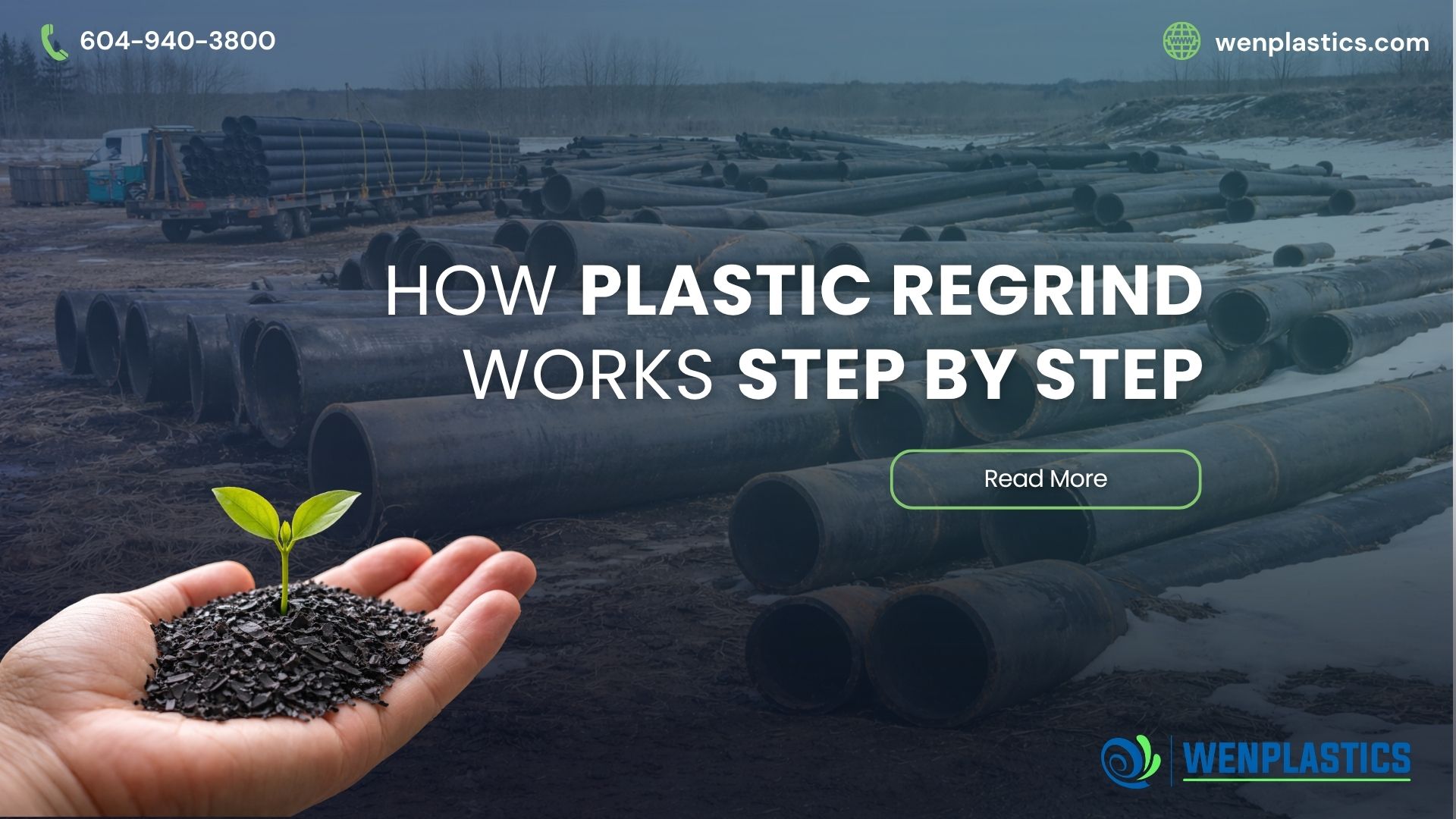
How Plastic Regrind Works Step by Step
Plastic regrind plays an important role in modern manufacturing and recycling. It gives plastic materials a second life by turning industrial plastic scrap into reusable raw material for new products. For companies looking to reduce waste, lower material costs, and support more sustainable operations, understanding how plastic regrind works is essential.
In this article, we explain the process step by step, from plastic collection to the final regrind material ready for production.
What Is Plastic Regrind?
Plastic regrind is recycled plastic that has been processed into small, uniform pieces so it can be reused in manufacturing. It usually comes from clean plastic scrap such as rejected parts, excess production material, trimmings, offcuts, or used industrial plastic that can be recovered and reprocessed.
Common types of plastic used for regrind include HDPE and PP, which are widely used in industrial packaging and manufacturing because of their strength, durability, and versatility.
Why Plastic Regrind Matters
Using plastic regrind helps manufacturers reduce waste and make better use of existing resources. Instead of sending plastic scrap to landfill, companies can recover valuable material and bring it back into the production cycle.
Some of the main benefits of plastic regrind include:
- Reducing industrial plastic waste
- Supporting circular economy practices
- Lowering raw material costs
- Conserving resources
- Helping businesses improve their sustainability efforts
When processed correctly, plastic regrind can be a practical and reliable material for many manufacturing applications.
How Plastic Regrind Works Step by Step
1. Collection of Plastic Scrap
The process starts with collecting plastic materials that can be recycled. In industrial settings, this often includes production scrap, defective parts, offcuts, or used plastic containers that are suitable for recovery.
There are also companies that specialize in specific types of plastic waste. For example, Wenplastics focuses on industrial plastics such as pallets, pipes, and manufacturing scrap, while Recycle BC works primarily with residential waste, including household packaging and containers. This specialization helps ensure that materials are collected and processed more efficiently, depending on their source and intended reuse.
The quality of the final regrind depends a lot on the quality of the material collected at this stage. Clean and well-sorted plastic is much easier to process and results in a more consistent material.
2. Sorting by Plastic Type
After collection, the plastic is sorted based on its type. This is a very important step because different plastics have different properties and melting points. Mixing incompatible materials can reduce the quality and performance of the final regrind.
For example, HDPE and PP are often processed separately to maintain consistency and ensure better results for manufacturers who use the recycled material later.
Sorting may also involve separating plastic by color, grade, or previous use, depending on the final application.
3. Inspection and Removal of Contaminants
Before grinding begins, the plastic must be inspected carefully. Any contaminants such as labels, metal parts, dirt, liquids, or foreign materials need to be removed.
This step helps protect the grinding equipment and improves the purity of the final regrind. Cleaner input material leads to better performance, better appearance, and more reliable processing during reuse.
Quality control at this stage is essential, especially for manufacturers that need consistent regrind for industrial production.
4. Washing the Plastic
If the collected plastic contains residue, dust, or surface contamination, it is washed before further processing. Washing helps remove unwanted materials that could affect the quality of the regrind.
Depending on the type of plastic and its condition, washing may range from a simple cleaning process to a more thorough wash and dry cycle.
This step is especially important when working with used plastic containers or post-industrial materials that need to meet higher cleanliness standards.
5. Shredding or Size Reduction
Once the plastic is clean and sorted, it goes through a shredding or size reduction stage. Large pieces of plastic are cut into smaller fragments so they are easier to handle and process.
This step prepares the material for the grinding stage and creates a more uniform feed for the equipment. Size reduction also makes it easier to inspect the material again if needed before final grinding.
6. Grinding into Regrind
After shredding, the plastic is fed into grinding equipment that reduces it into smaller, more uniform flakes or granules. This is the stage where the material becomes plastic regrind.
The size and consistency of the regrind can vary depending on the intended application, but the goal is to produce a material that can be handled efficiently in manufacturing processes.
Uniformity is important because it helps support smoother processing, better blending, and more predictable performance in production.
7. Drying and Final Cleaning
After grinding, the material may go through drying and additional cleaning to remove any remaining moisture or fine dust. Moisture can affect storage and manufacturing performance, so keeping the regrind dry is an important step.
At this point, the material may also be screened to remove particles that are too large, too small, or inconsistent with the desired specification.
This final preparation helps ensure the regrind is ready for reuse.
8. Quality Control and Testing
Before plastic regrind is sent to customers or used in production, it often goes through quality checks. These checks may include evaluating cleanliness, particle size, consistency, and overall material quality.
For industrial applications, reliable quality control is key. Manufacturers need regrind that performs consistently, especially when it is used in large volumes or for specific technical requirements.
A controlled process helps reduce variation and makes the recycled material more dependable.
9. Packaging and Delivery for Reuse
Once the regrind has passed inspection, it is packaged and prepared for delivery or internal use. Manufacturers can then use the material in suitable applications, depending on the plastic type, quality, and production requirements.
At this stage, plastic that would otherwise have been discarded is ready to return to the manufacturing cycle.
Where Plastic Regrind Is Commonly Used
Plastic regrind is used in a wide range of industrial and manufacturing applications. It can be used in products where recycled material is appropriate and where performance requirements align with the characteristics of reprocessed plastic.
Common uses may include:
- Industrial packaging
- Plastic containers
- Construction-related products
- Automotive components
- Manufacturing parts
- Non-food-contact plastic products
The right application depends on the type of plastic, the quality of the regrind, and the technical requirements of the final product.
The Importance of a Controlled Regrind Process
Not all plastic regrind is the same. The quality of the final material depends on how carefully each step is managed. Proper sorting, cleaning, grinding, and quality control all make a big difference.
A controlled process helps ensure:
- Better material purity
- More consistent particle size
- Reliable performance in manufacturing
- Reduced contamination risk
- Greater confidence for customers using recycled material
For this reason, working with an experienced supplier is important when sourcing plastic regrind for industrial use.
Supporting the Circular Economy
Plastic regrind is a practical example of the circular economy in action. Instead of treating plastic as waste after one use, the material is recovered, processed, and reused in new manufacturing cycles.
This approach helps businesses reduce waste, make better use of resources, and move toward more responsible production practices. It also shows that with the right systems in place, industrial plastics can continue delivering value long after their first use.
Final Thoughts
Understanding how plastic regrind works step by step makes it clear why this material is so valuable in modern manufacturing. From collection and sorting to grinding and quality control, every stage plays a role in creating recycled plastic that can be reused efficiently and responsibly.
For businesses looking to reduce waste and support more sustainable operations, plastic regrind offers a smart and practical solution.
Looking for reliable HDPE and PP regrind for industrial use? Contact us to learn more about our recycled plastic materials and how they can support your production needs.

Comments are closed