
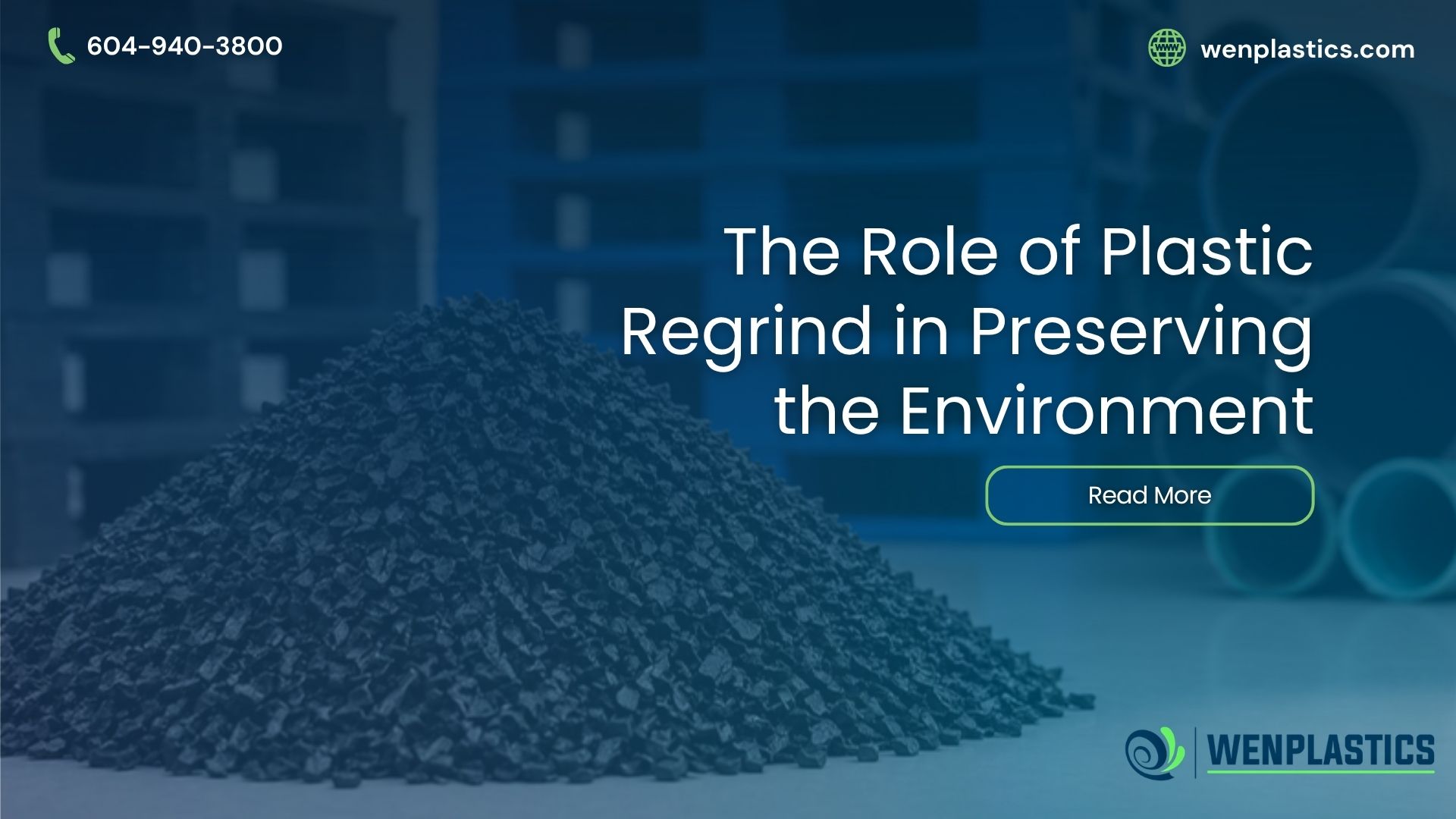
The Role of Plastic Regrind in Preserving the Environment
Plastic is an important material in modern manufacturing, packaging, transportation, agriculture, construction, and many other industries. It is lightweight, durable, versatile, and cost-effective. However, plastic waste has also become one of the most serious environmental challenges of our time.
When plastic products are discarded instead of recovered, valuable material is lost. This can increase landfill waste, create pollution risks, and increase demand for new virgin plastic. For businesses that use large volumes of plastic, finding ways to recover and reuse plastic materials is an important step toward more responsible operations.
One practical solution is plastic regrind.
Plastic regrind helps give plastic material a second life. Instead of treating plastic scrap, rejected parts, or post-industrial plastic as waste, these materials can be processed into smaller flakes or granules and reused in manufacturing applications.
For companies looking to reduce waste and support a more circular economy, plastic regrind can play an important role in preserving the environment.
What Is Plastic Regrind?
Plastic regrind is created when plastic materials are collected, sorted, cleaned when necessary, and mechanically ground into smaller pieces. These pieces can then be used as raw material in manufacturing.
Regrind can come from different sources, including:
- Production scrap
- Plastic cutoffs
- Rejected molded parts
- Damaged plastic products
- Post-industrial plastic materials
- Certain recovered packaging materials
- Plastic containers that are no longer suitable for reuse
Depending on the material type and quality, regrind may be used on its own or blended with virgin resin or other recycled plastic materials.
Common plastic types used for regrind include HDPE and PP, which are widely used in industrial packaging, containers, pallets, pipes, bins, and other durable products.
Why Plastic Regrind Matters for the Environment
Plastic regrind matters because it helps keep plastic materials in use for longer.
In a traditional linear model, plastic is produced, used, and then discarded. This creates waste and increases the need for new raw materials.
In a more circular model, plastic is recovered and processed so it can be used again. Regrind supports this circular approach by turning plastic waste into a useful manufacturing input.
This helps businesses reduce the amount of plastic sent to landfill and supports better material efficiency.
Reducing Plastic Waste
One of the most direct environmental benefits of plastic regrind is waste reduction.
Many plastic products and packaging materials still have material value even after they can no longer be used in their original form. Instead of discarding them, businesses can recover the material and process it into regrind.
This is especially useful for post-industrial plastic waste, where the material is often cleaner, more consistent, and easier to process than mixed post-consumer waste.
By regrinding plastic materials, businesses can help reduce the volume of plastic waste that would otherwise be sent to landfill or disposal facilities.
Giving Plastic a Second Life
Plastic regrind helps give plastic a second life.
A damaged plastic container, rejected part, or unusable packaging component may no longer be suitable for its original purpose. However, the plastic material itself can still have value.
Once processed into regrind, the material may be used to manufacture new products such as:
- Plastic pallets
- Pipes
- Industrial containers
- Non-food packaging
- Construction products
- Automotive components
- Storage bins
- Landscape products
- Other durable plastic goods
This helps extend the useful life of the material and reduces the need to rely only on new plastic resin.
Reducing Demand for Virgin Plastic
Virgin plastic is made from newly produced raw material. Producing virgin plastic requires energy, resources, and fossil-based inputs.
When regrind is used in suitable applications, it can replace part of the virgin resin needed for manufacturing. This helps reduce demand for new raw materials and supports a more resource-efficient production process.
This does not mean that regrind is suitable for every application. Some products, especially food-contact packaging, medical packaging, or highly regulated applications, may require virgin resin or specific approved materials.
However, for many industrial and non-food applications, plastic regrind can be a practical and responsible material choice.
Supporting a Circular Economy
Plastic regrind is closely connected to the circular economy.
The circular economy focuses on keeping products and materials in use for as long as possible. Instead of following a take-make-dispose model, the goal is to recover value from materials and reduce waste.
Plastic regrind supports circular economy principles by:
- Recovering plastic materials
- Reducing disposal
- Supporting material reuse
- Extending the life of plastic resources
- Reducing dependence on virgin resin
- Creating value from materials that would otherwise be wasted
For businesses, this means plastic waste can become part of the production cycle again instead of becoming an environmental burden.
Regrind vs. Reuse: Why Both Matter
Plastic regrind is valuable, but it is not the only solution.
In many cases, reuse can preserve more value than recycling because the product continues to serve its original purpose with less processing. For example, an IBC tote that can be inspected, cleaned, and reconditioned for a suitable non-food application may continue to be used as a container.
However, not every product can be reused forever. Over time, containers can become damaged, worn, outdated, or unsuitable for further use.
This is where regrind becomes important. When reuse is no longer possible, material recovery helps prevent the plastic from becoming waste.
A strong circular strategy uses both approaches:
- Reuse and reconditioning when the container can safely continue its function
- Regrind and recycling when the container has reached the end of its usable life
Environmental Benefits of Plastic Regrind
Plastic regrind can support environmental preservation in several ways.
Less landfill waste
Regrind helps divert plastic materials from landfill by turning them into usable raw material.
Better resource efficiency
Instead of wasting plastic that has already been produced, regrind helps recover value from existing material.
Lower demand for new resin
Using regrind in suitable products can reduce the need for virgin plastic resin.
Support for local recycling systems
When plastic recovery happens locally or regionally, it can support better material management and reduce unnecessary transportation.
More sustainable manufacturing options
Manufacturers can use regrind in appropriate applications to support sustainability goals and reduce material waste.
Important Limitations of Plastic Regrind
Although plastic regrind offers environmental benefits, it is important to use it correctly.
Regrind is not suitable for every application. Its performance depends on factors such as material type, contamination level, consistency, colour, melt flow, previous use, and quality control.
Some applications require virgin material, certified resin, or specific regulatory approval. Food-contact packaging, medical products, and certain high-performance applications may have strict requirements that limit the use of regrind.
This is why proper sorting, inspection, and application matching are essential.
Plastic regrind should be used where it makes sense, not simply because it is recycled. The best environmental outcome comes from using the right material for the right application.
Quality Control Is Essential
For plastic regrind to be useful, quality control matters.
The material should be sorted by plastic type, checked for contamination, and processed in a way that supports consistency.
Businesses that use regrind should understand the material source, quality, and intended application. This helps reduce manufacturing issues and supports better end-product performance.
Plastic Regrind in Non-Food Applications
Plastic regrind is often a strong option for non-food and industrial applications.
These may include products where direct food contact is not required and where recycled material can perform effectively.
Examples include:
- Industrial pallets
- Drainage pipes
- Storage containers
- Construction materials
- Agricultural products
- Landscape edging
- Waste bins
- Traffic and safety products
- Certain molded industrial parts
By using regrind in these applications, businesses can help reduce plastic waste while still producing durable and functional products.
How Businesses Can Support Plastic Recovery
Companies can support plastic recovery by making better decisions about packaging, waste sorting, and supplier relationships.
Practical steps include:
- Separating plastic materials by type
- Keeping recyclable plastic clean when possible
- Avoiding unnecessary contamination
- Choosing reusable packaging when appropriate
- Working with suppliers that offer reconditioning or recycling options
- Using regrind in suitable non-food applications
- Reviewing packaging lifecycle, not only purchase price
These steps can help businesses reduce waste and participate more actively in the circular economy.
Why Local Plastic Recovery Matters
Local plastic recovery can be especially valuable.
When businesses work with local suppliers and recyclers, plastic materials may be recovered, processed, and reused closer to the source. This can help reduce transportation needs and create a more practical circular system.
For companies in Canada and the United States, working with a regional packaging supplier can also improve access to reconditioned containers, replacement packaging, and recycling solutions.
A local approach can make sustainability more realistic and easier to manage.
Plastic Regrind and the Future of Sustainable Packaging
The future of sustainable packaging will require more than one solution.
Reducing unnecessary packaging, improving reuse systems, designing recyclable products, using recycled materials, and supporting proper recovery programs will all be important.
Plastic regrind is one part of this larger solution. It helps preserve environmental resources by turning plastic waste into usable material and reducing the need for new plastic in appropriate applications.
For industries that use large volumes of plastic, regrind can be a practical way to reduce waste while maintaining access to durable and functional materials.
Wenplastics and Plastic Regrind
At Wenplastics, plastic recovery is part of a broader commitment to practical packaging solutions.
Through products and services such as reconditioned containers, rebottled IBC totes, and plastic regrind, Wenplastics helps businesses find options that support both operational needs and sustainability goals.
Plastic regrind helps give plastic a second life. When used in the right applications, it can reduce waste, support circular economy practices, and contribute to better environmental stewardship.
Preserving the environment does not depend on one single solution. It depends on many responsible decisions across the packaging lifecycle.
By choosing reusable containers, recovering plastic materials, and using regrind where appropriate, businesses can reduce waste and take meaningful steps toward a more sustainable future.

No responses yet